Identifying common poisonous garden plants
11 common poisonous plants that you (and your kids!) really should learn
Watching our little one playing on the grass, she loves to get up close to all of the plants. She’ll smell every flower, pick the daisies and when she was younger, on occasion even nibbled at some!
Seeing her playing like that, we wondered how many more kids might be doing the same in their own gardens, and how many parents know which plants are safe to interact with.
Or, conversely, how many might be missing out on opportunities to play with plants, because they didn’t feel confident about what’s safe and what’s not.
I tested this out with my friends – I showed ten friends some pictures of safe plants, along with one poisonous one. Hardly anyone could identify the foxglove as the risky plant!
And what if you do have them in your garden already? There’s no need to rush and remove them straight away. Incidences of poisoning in the UK are rare and most of these plants would have to be eaten in large quantities to cause harm. But make sure you tell your children not to touch / eat them, plant them towards the back of the beds if possible, so they’re out of the way, and teach children that unless they’ve been told a plant is safe, they should assume it’s not okay to play with it.
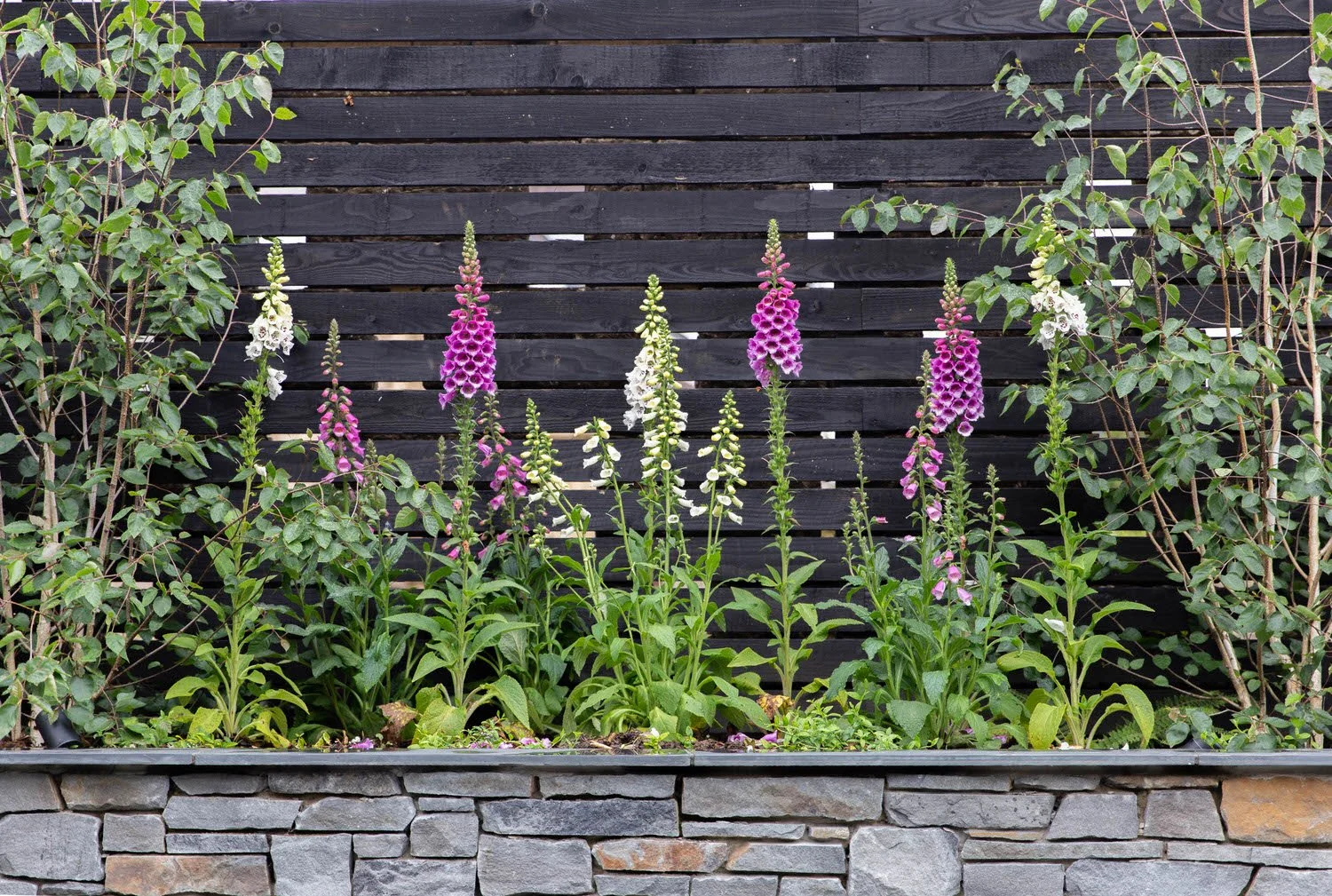
Foxglove (Digitalis)
Foxgloves are a firm favourite in UK gardens, but every part of the plant is poisonous if eaten. A substance in the foxglove called ‘digitoxin’ affects the heart and can cause your heart to slow down or even lead to a heart attack. There is digitoxin throughout the plant, including the pollen, so do make sure to wash any vegetables or fruit growing near flowering foxgloves.
That doesn't mean you need to avoid them in your garden, though (they’re one of our favourites and we include them anywhere the conditions are right!) but do take a bit of care. Always let children know that it’s not to safe to eat these (or any plants that you haven’t said are safe). And if you have especially curious children, or animals, then it can help to plant them at the back of beds or borders, where they are less accessible.
To read more about growing foxgloves, check out our foxglove plant guide or take a look at they way we included them in our garden for the RHS Chelsea hub in 2025.

2.Aconite (Aconitum)
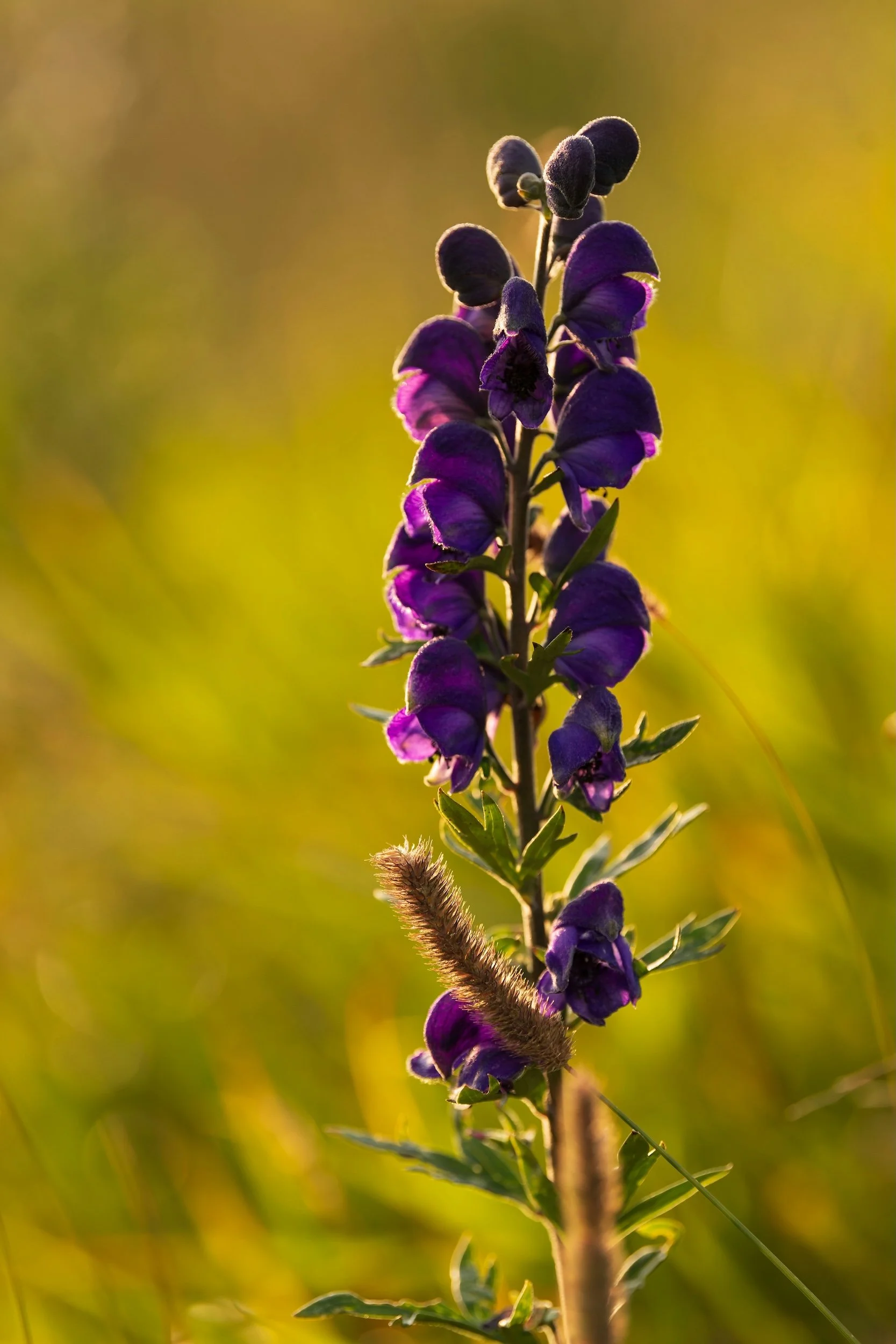
Aconite is another beautiful, stately plant, with large spires and attractive dark blue-purple flowers. It’s another plant, however, that is toxic throughout, with each part of the plant poisonous, but especially the roots. If the roots are eaten, they can cause vomiting, diarrhoea and heart failure. This is probably the most poisonous plant commonly found in gardens; if you have it in your garden, do make sure to grow it away from any edible crops, so you don’t mistake its leaves for something else, and make sure its roots couldn’t be eaten by any pets…
3. Lily of the Valley (Convallaria majalis)
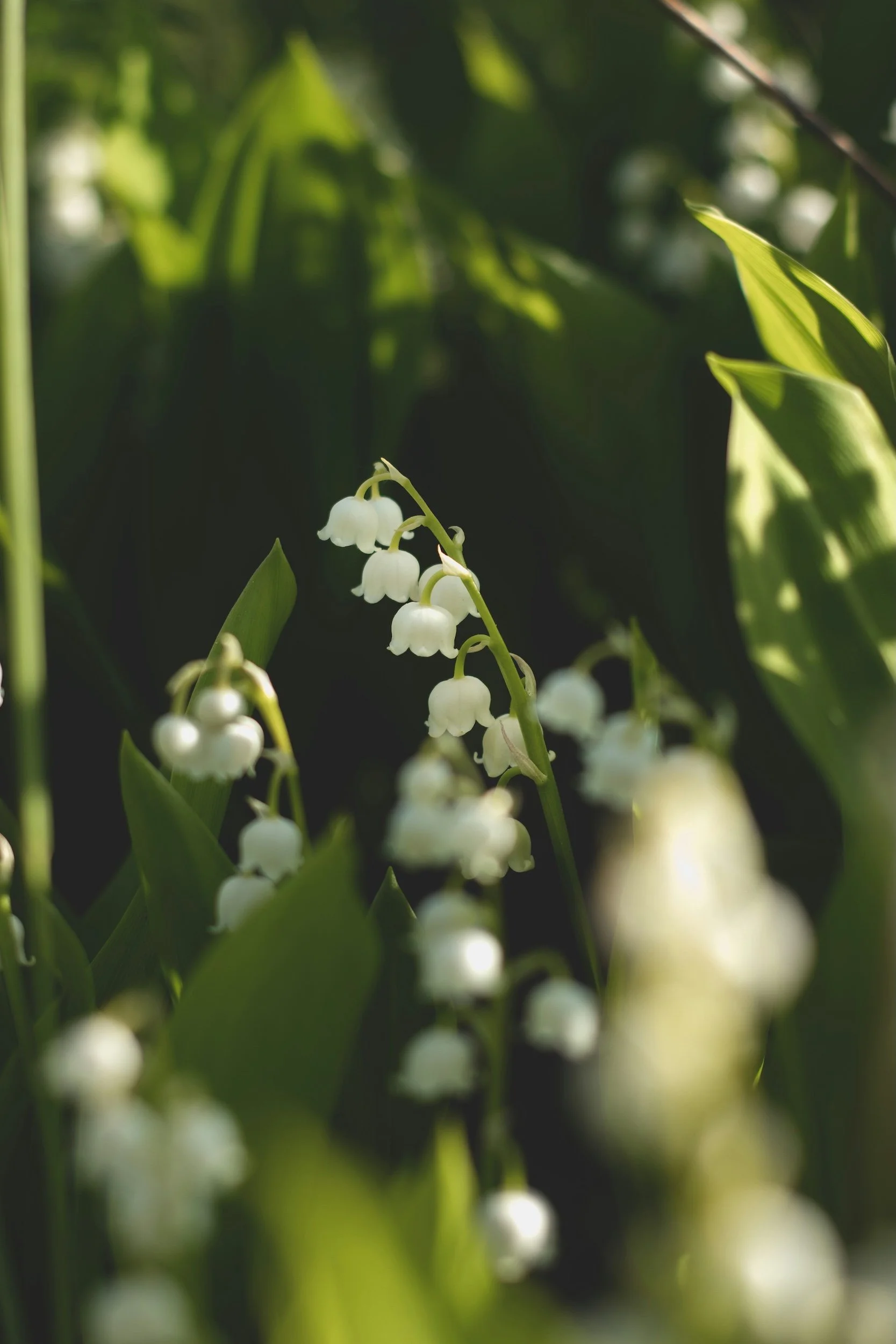
Another incredibly popular plant, lily of the valley has small white bell-like flowers in Spring. It’s toxic if eaten, though not to the extent of the previous two plants: you would have to eat a lot of it to cause serious damage. If consumed, it could lead to stomach aches, diarrhoea and heart problems.
Not such a problem in the garden, but we often see photographs of this flower used as a cake topping, or even as an edible flower! Yes it’s pretty, and it’s great in the flowerbeds, but keep it well away from anything you might be about to eat…
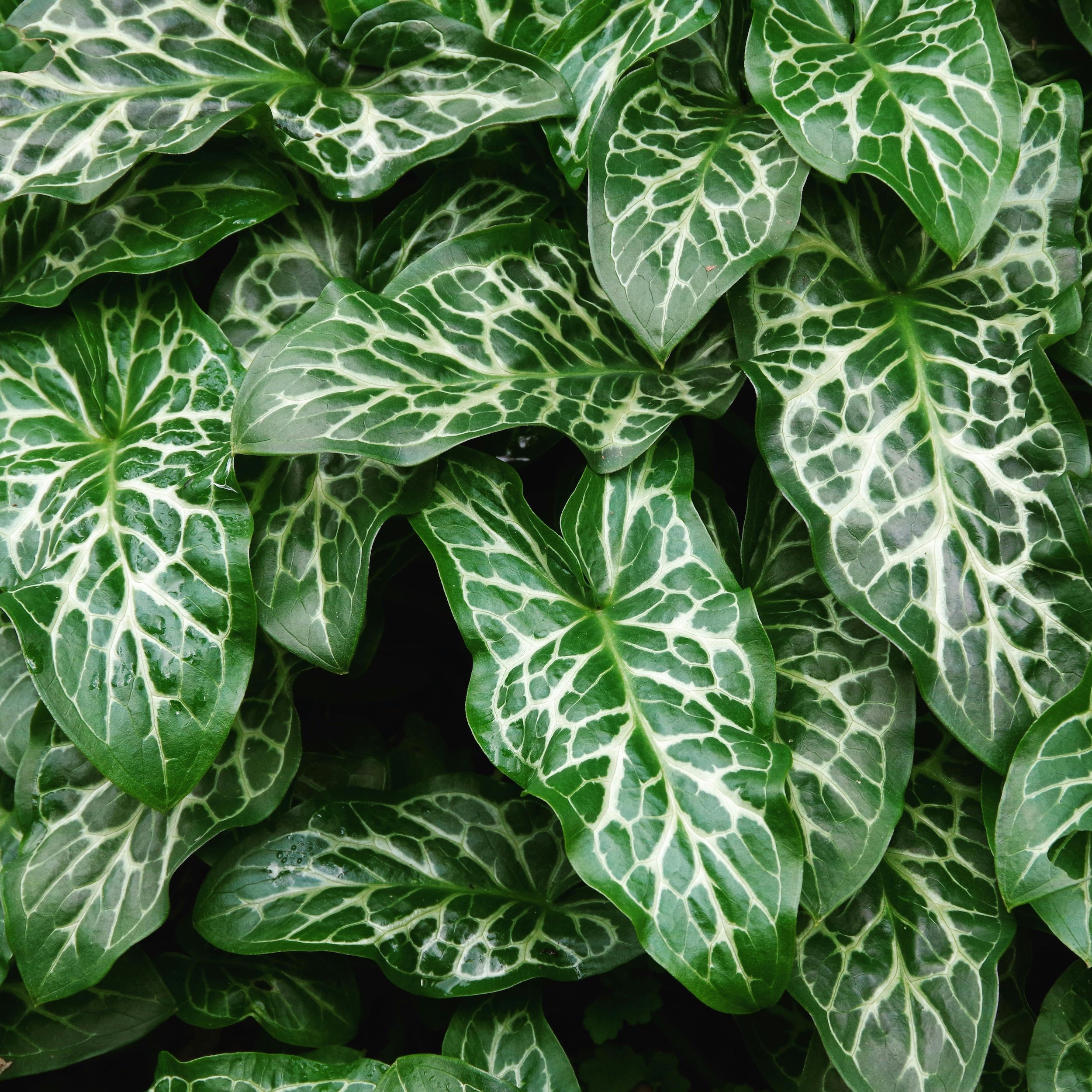
4. Arum italicum
Arum italicum, which is often found in gardens, along with its native relative Arum maculatum are both poisonous – the main concern with these plants are the bright orange, large berries that appear on the stems in the Summer time, and which can be appealing to small children. If eaten, the berries cause irritation in the mouth and can lead to difficulty swallowing, so it’s important to make children aware not to eat them. If you have these in the garden, it might be best to cut off the stalks once the berries appear and dispose of them safely.
Arum maculatum tends to grow in similar locations to wild garlic and has slightly similar-looking leaves, which can sometimes be mistaken for the same plant when foraging for wild garlic. As ever, make sure to properly identify any plants when foraging, to make sure it’s definitely the right one to eat.
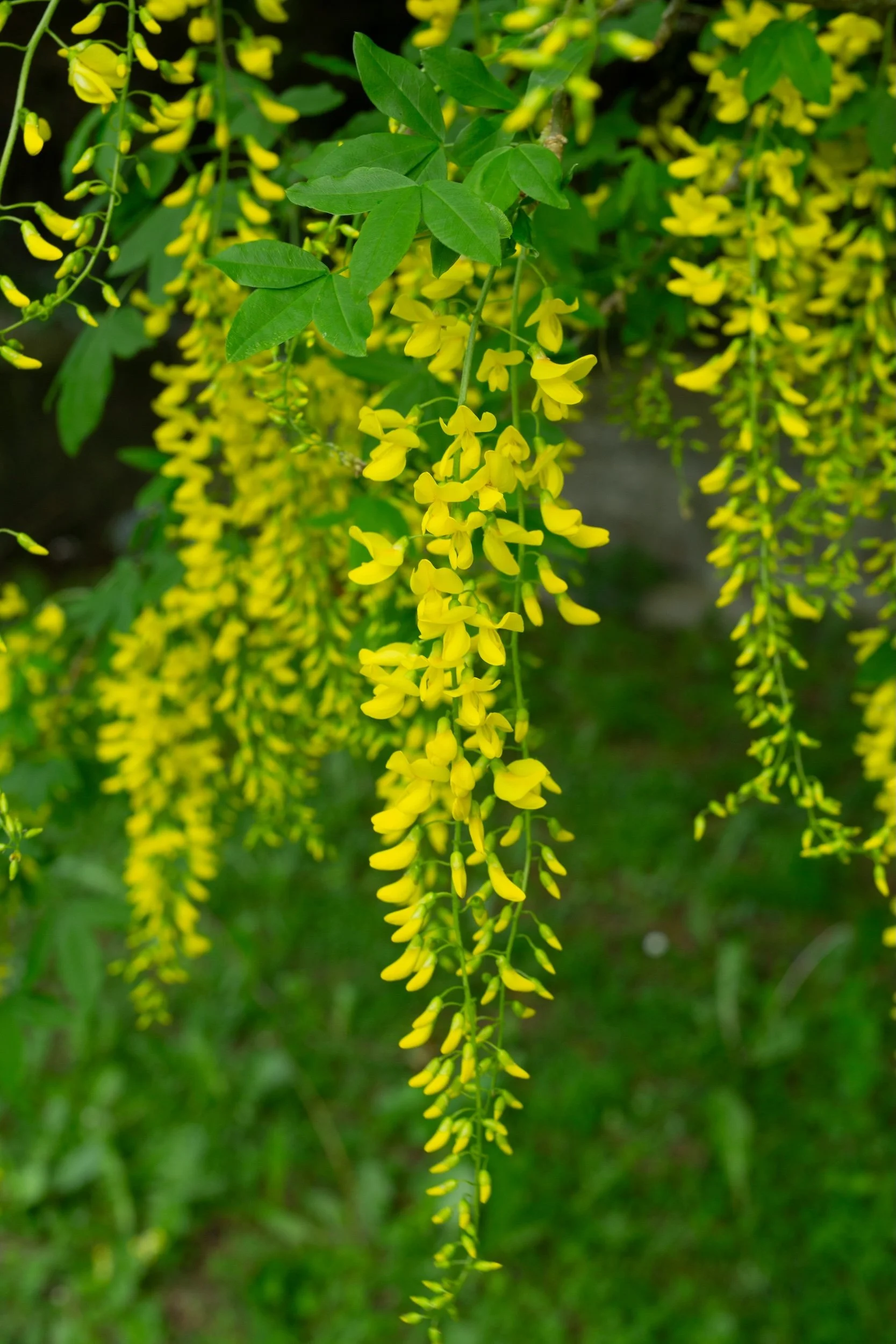
5. Laburnum
Laburnum, sometimes called Golden rain, is a beautiful tree in Spring months, with its long tendrils of yellow flowers dangling down. Once the flowers are over, they are replaced with pea-like seeds that are poisonous if eaten. Small doses can cause stomach ache and vomiting, while large doses (more than 15 seeds) could be fatal. Because these look similar to the garden pea, children may think they are safe to eat, so it’s important to teach them that these are poisonous (and that they should only eat something from a plant if their adult has told them it is okay…)
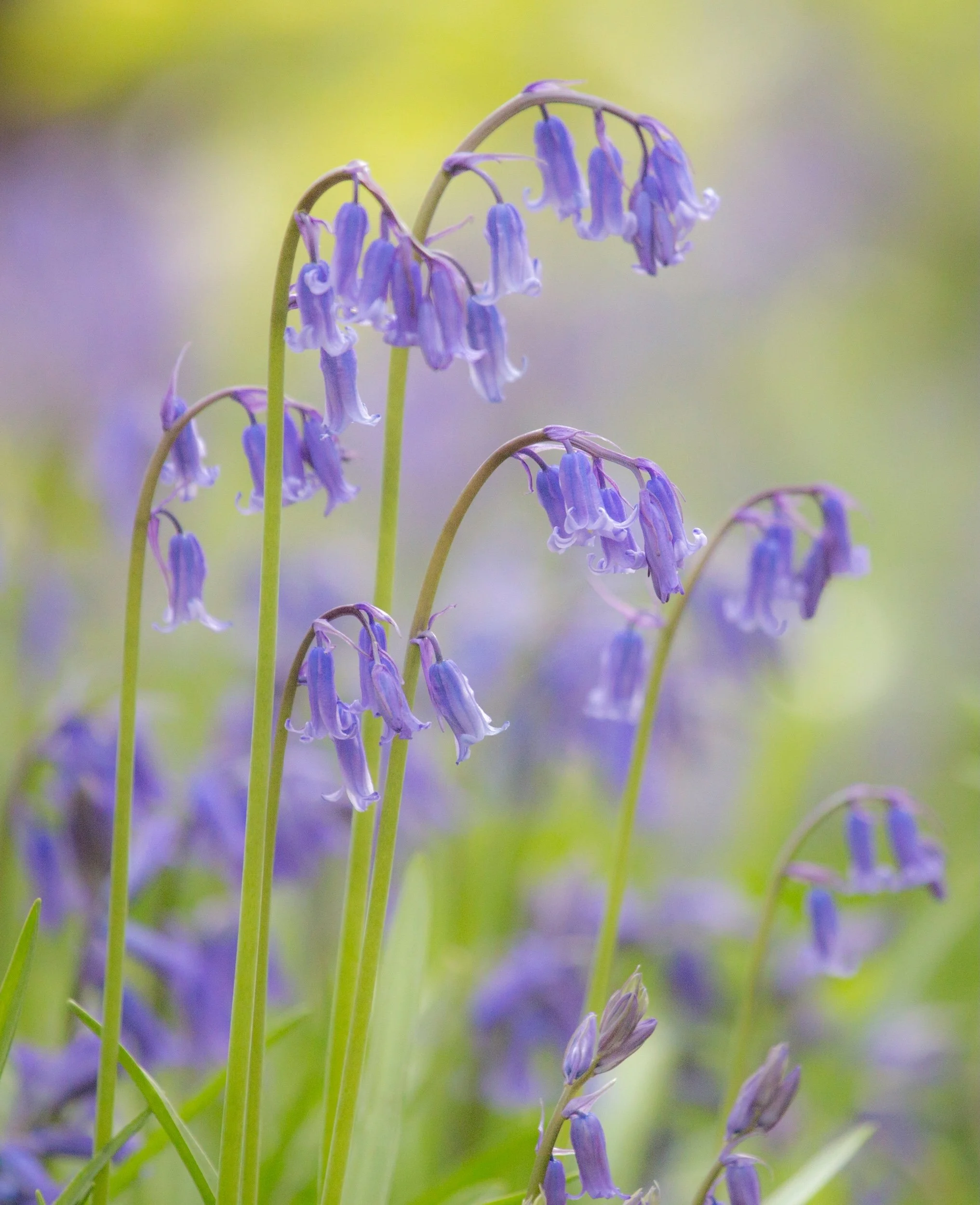
6. Bluebells
Bluebells are another common garden plant, but the bulbs are toxic and could cause vomiting. They slightly resemble spring onion or garlic bulbs, so grow these well away from any veg patch, so as not to cause confusion.
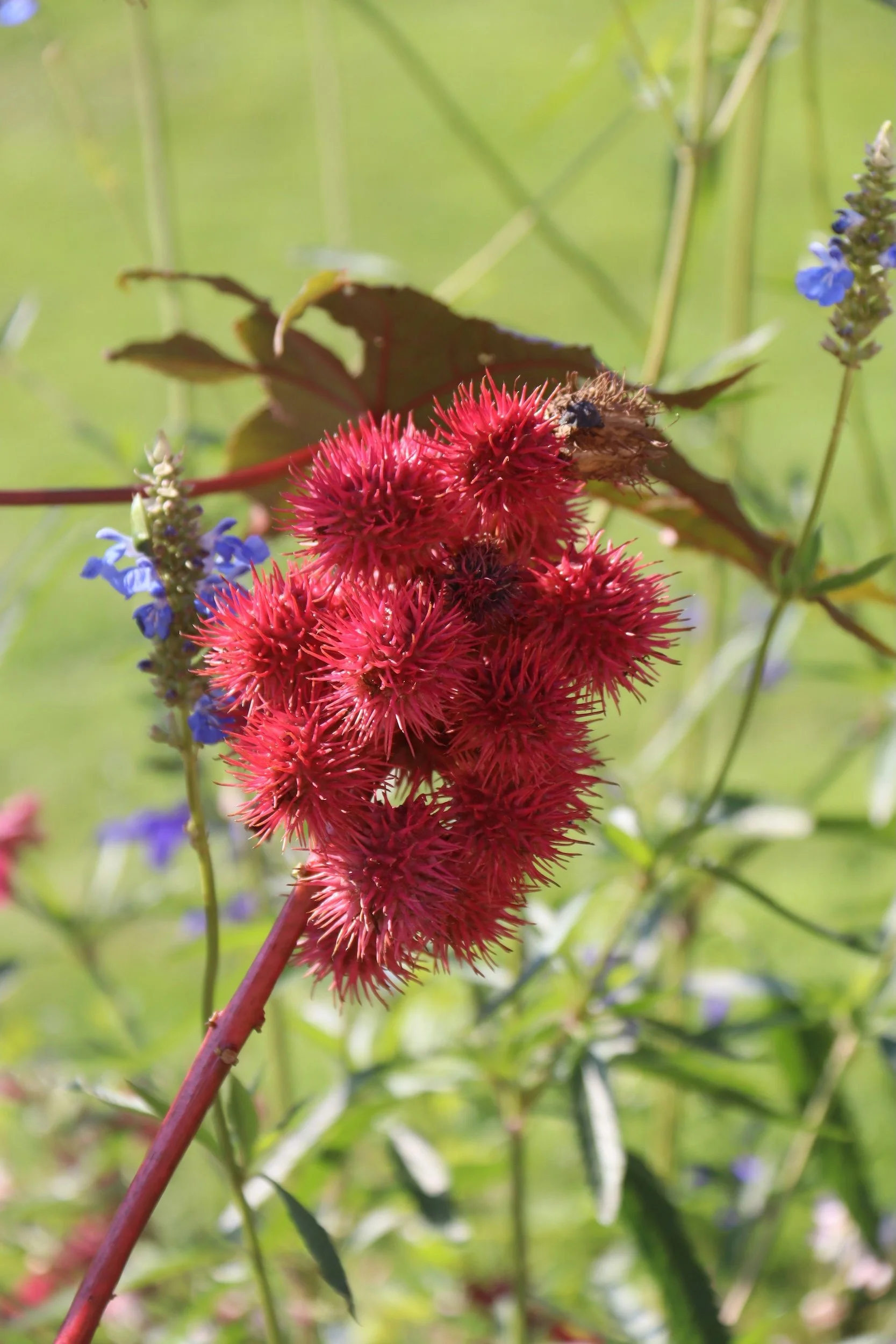
7. Castor oil plant (Ricinus communis)
A spectacular, impressive, architectural plant, the castor oil plant is often seen in ornamental gardens and is sometimes used in domestic gardens as well. The beans, however, contain the poison ricin. If the beans are chewed and swallowed, this can be released and cause serious harm. Because this is a plant that originates in the tropics, it tends not to set seed in the cooler weather in the UK, however, in a particularly hot year, the beans may ripen and are then ejected from the pods and spread widely. If you do have this in your garden (or come across it in a park), make sure any children (or adults!) know that the beans are toxic. It might be better to cut off any seed heads before the beans have a chance to mature and to safely dispose of them.
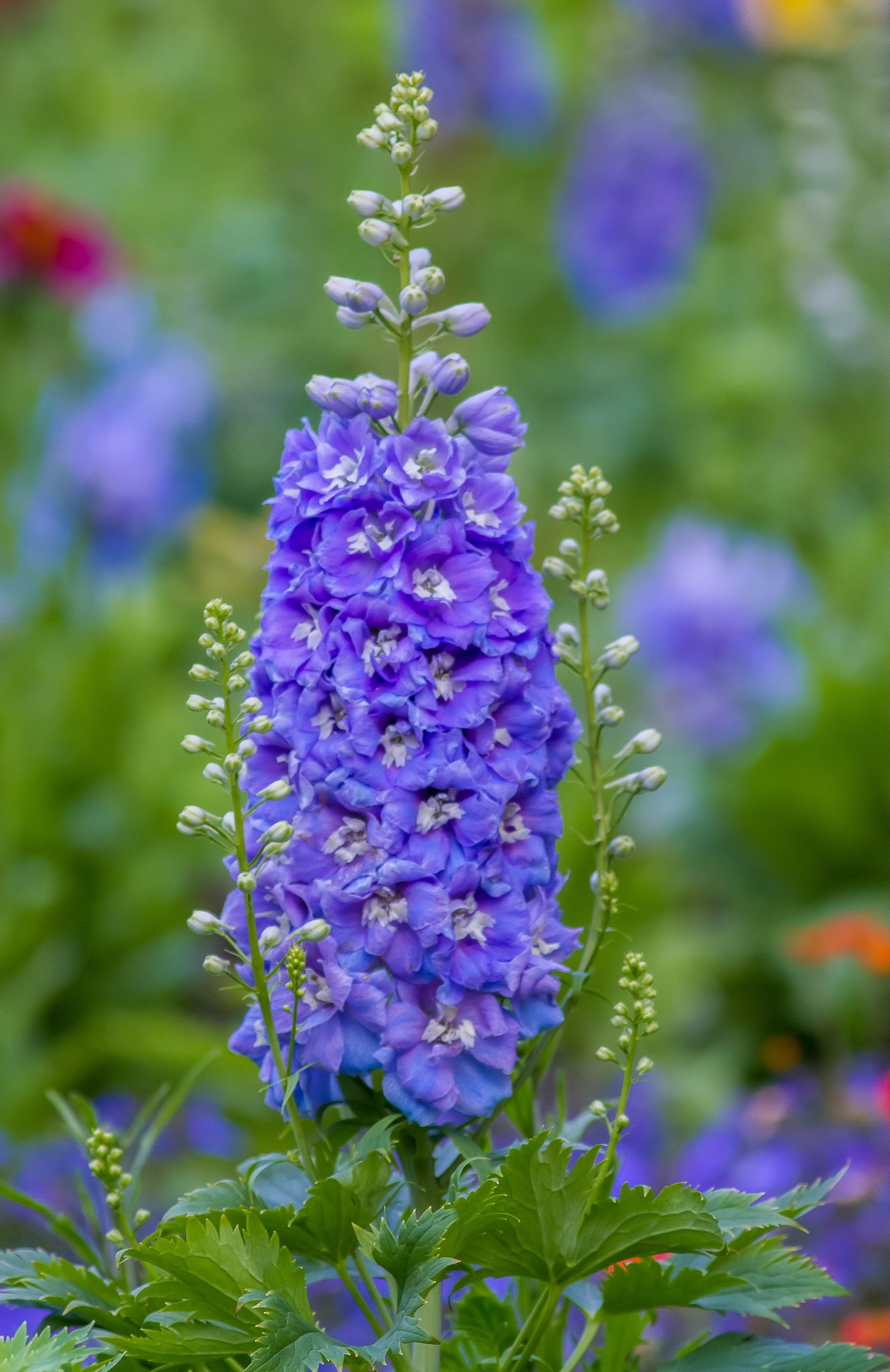
8. Delphinium (Consolida)
Delphiniums, sometimes known as larkspur, are a cottage garden staple. Tall flowering spikes in blues and purples, they can grow up to 2m tall and are perfect for the back of a border. They’re also poisonous in every part if eaten, containing a toxin called ‘delphinine’ which causes vomiting and can be fatal in large quantities. In the UK, there isn’t much incidence of delphinium poisoning, but in the western states of the US they are a big problem for cattle ranchers. Cattle grazing on fields with wild larkspur often eat the plant, which can cause death within a few hours – especially when the plant is in its first stages of growth.
9. Euphorbia
There are many different types of euphorbia, and you’ll find one variety or other in plenty of gardens. Unlike the previous plants, these aren’t poisonous to consume (don’t try it though!) but have sap that can be a skin irritant. The milky white sap can make your skin photosensitive – that is, it can react in sunlight, so if you get it on your skin and the sun shines on it, you may end up with blisters. If you’re pruning euphorbia, or weeding it out, then always wear long gloves and long sleeves, to make sure the sap doesn’t come into contact with your skin.
See more about growing euphorbia in our euphorbia plant guide.


10. Ivy
Ivy is everywhere and it may be a surprise to hear it is poisonous. It’s not one to necessarily worry about too much, but it is worth being aware that the leaves and berries can cause vomiting if they’re eaten. The leaves also contain a substance called ‘falcarinol’ which can cause dermatitis or blisters to the skin. Always best to wear gloves when you’re handling it and, as ever, don’t eat it!
Read more about growing ivy in our ivy plant guide.
11. Daffodils
Often one that surprises people, the popular and grown-everywhere daffodil (botanical name: narcissus) is actually toxic throughout. All parts of the plant are poisonous if eaten, from the leaves and flowers to the bulb. None should be fatal, but could cause nausea, vomiting and stomach pain.
One of the main risks for daffodil consumption is when they are mistaken for other herbs and vegetables, which has occurred in the past when supermarkets have sold them next to their fresh food displays.
Again, this is a plant that is grown in many gardens (and which we love to use in our designs) but one to warn children not to eat, and also to keep away from fresh food, especially if you’re buying bunches of cut flowers.
For more on growing daffodils, take a look at our plant guide to narcissus.

A few general points:
· Lots of plants can be toxic if you eat them, but don’t let that you put you off growing them! Just make sure to only eat plants if you’re 100% certain they are edible. It’s always best to grow anything toxic well away from a vegetable patch, just to avoid any possible confusion.
· Some plants can cause skin irritation, the most common of which is euphorbia. Handle only when wearing gloves. If you don’t know for sure that a plant is safe, then always wear gloves when pruning, or weeding, if you might come into contact with its sap.
· If you have children, teach them which plants are poisonous, but also teach them not to eat any plant from the garden (or woodland / park / fields) unless you have told them it’s okay.
· When pruning, or moving plants, don’t leave plant parts lying around where pets or children could eat them.
· Just because a plant isn’t poisonous, doesn’t mean it is edible! Only eat flowers if you know they’re safe; check out our guide to growing edible flowers for more.
· If you’re foraging, do take a forager’s guide with you, or check with an expert before eating anything.
· Even if a plant isn’t poisonous, it could still cause an allergic reaction. It’s always worth having antihistamine tablets on hand when working in the garden, just in case of any reactions.