For seeds and seedlings that can cope with being in the ground across the harsh period of winter, an Autumn sowing means that the plant gets a head start once the ground warms up enough for the new growing season, often leading to sturdier, more resilient plants that flower earlier in the year than those sown in Spring.
Not all seeds can cope with sowing at this time of year — only hardy plants that tolerate the winter freezes will survive — but some of our favourite annual and perennial flowering plants do well with direct sowing at this time of years.
Here are five of our favourite flowers to sow from seed in September or October: right about now.
Poppies
One of the more flamboyant and eye-catching plants of the list, it can be hard to believe that a glorious poppy in flower has grown entirely from a tiny seed the previous year.
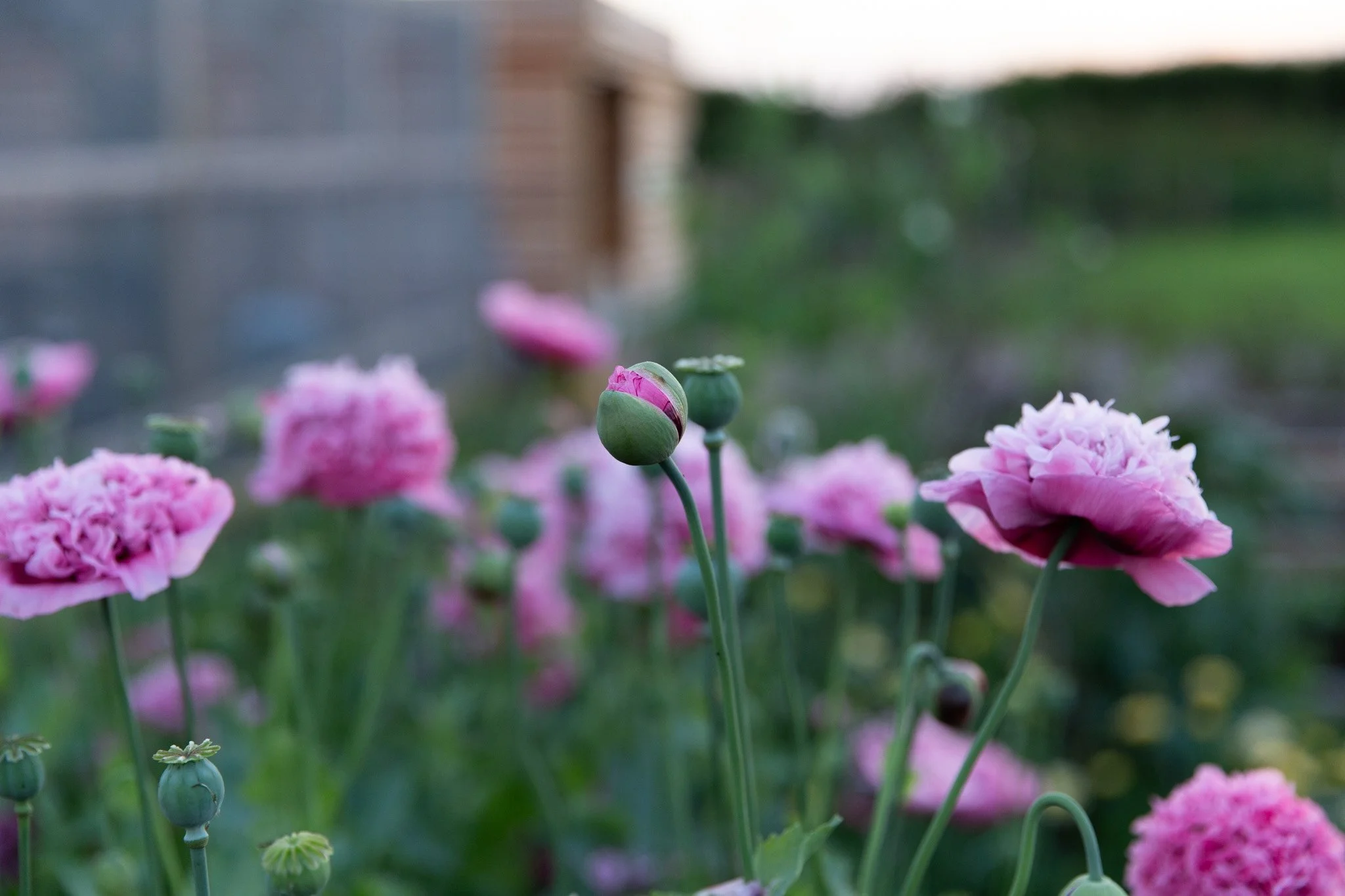
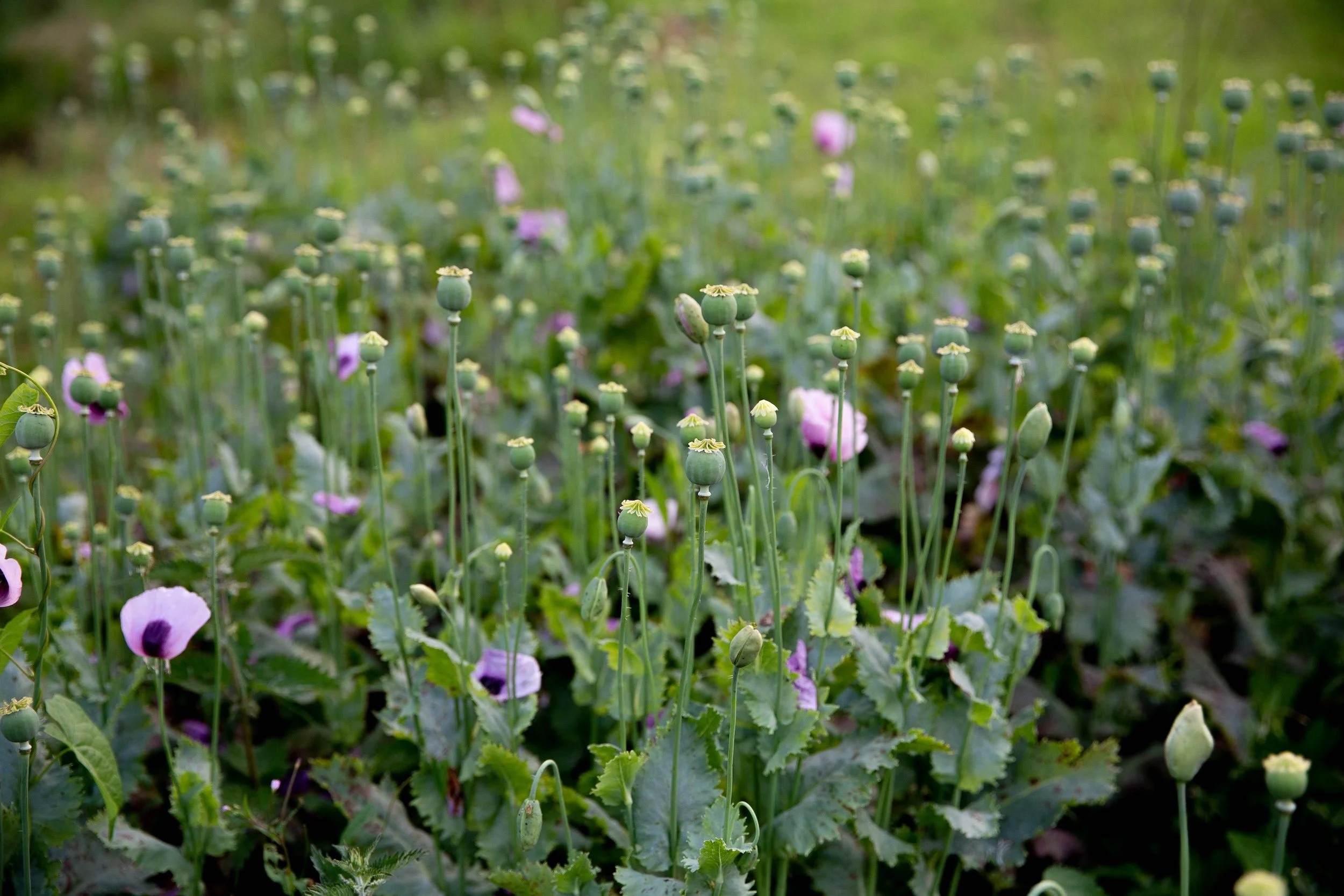
Direct sowing poppy seeds in Autumn mimics the natural conditions that seed would germinate under. Poppy seeds are known for staying viable in the soil for a long time, so seeds may well stay in place over winter (and many can benefit from a hard winter freeze) but germinate early the following year. There are a huge range of poppies available, known botanically as Papaver spp., and not all do best with direct autumn sowing, so do check the packets of any seeds. Poppies that do grow well from Autumn sowings include Papaver orientale and Papaver rhoeas — the recognisable red poppy. A favourite of ours is Papaver somniferum, pictured to the right and above, often called the bread seed poppy, as these are the poppy seeds that bake well on loaves of bread. We planted some container plants of these once, and they have happily self-seeded and returned every year since. We also sprinkle seeds around in new patches each year, to increase the different places they grow.
As well as providing gorgeous (though short-lived) flowers, poppies also develop their distinctive seedheads, which you can see starting to grow and swell on the photo on the right. These are perfect for dried flower bouquets, or to save seed for the growing next year.
To sow, scatter seeds directly in the spot they’re going to flower. Poppies thrive in poor to moderately fertile soil in full sun. Don’t press the seeds below the surface of the soil as they need light to germinate.
2. Cornflowers
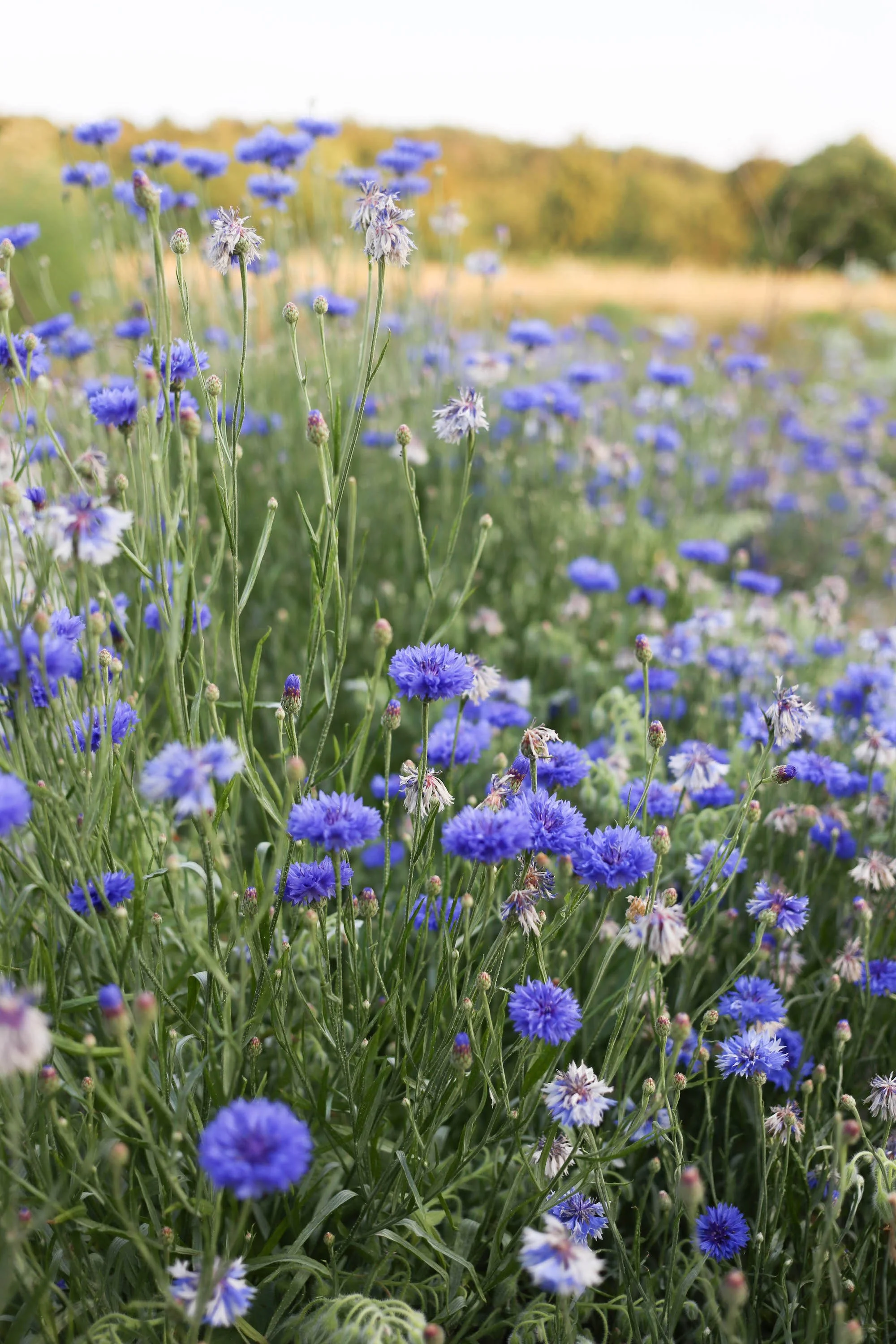
Cornflowers are a plant that benefit especially from an Autumn sowing, as they are much sturdier and more robust than Spring-sown plants, and can cope with the frosts without problems.
A very popular cottage garden plant, known botanically as Centaurea cyanus, cornflowers have round flowerheads, traditionally with bright blue petals, though you can also find white or deep scarlet varieties. They do best in a sunny site with free-draining soil. Sow in situ in a weed free area, and make sure not to disturb during germination.
3. Nigella damascena
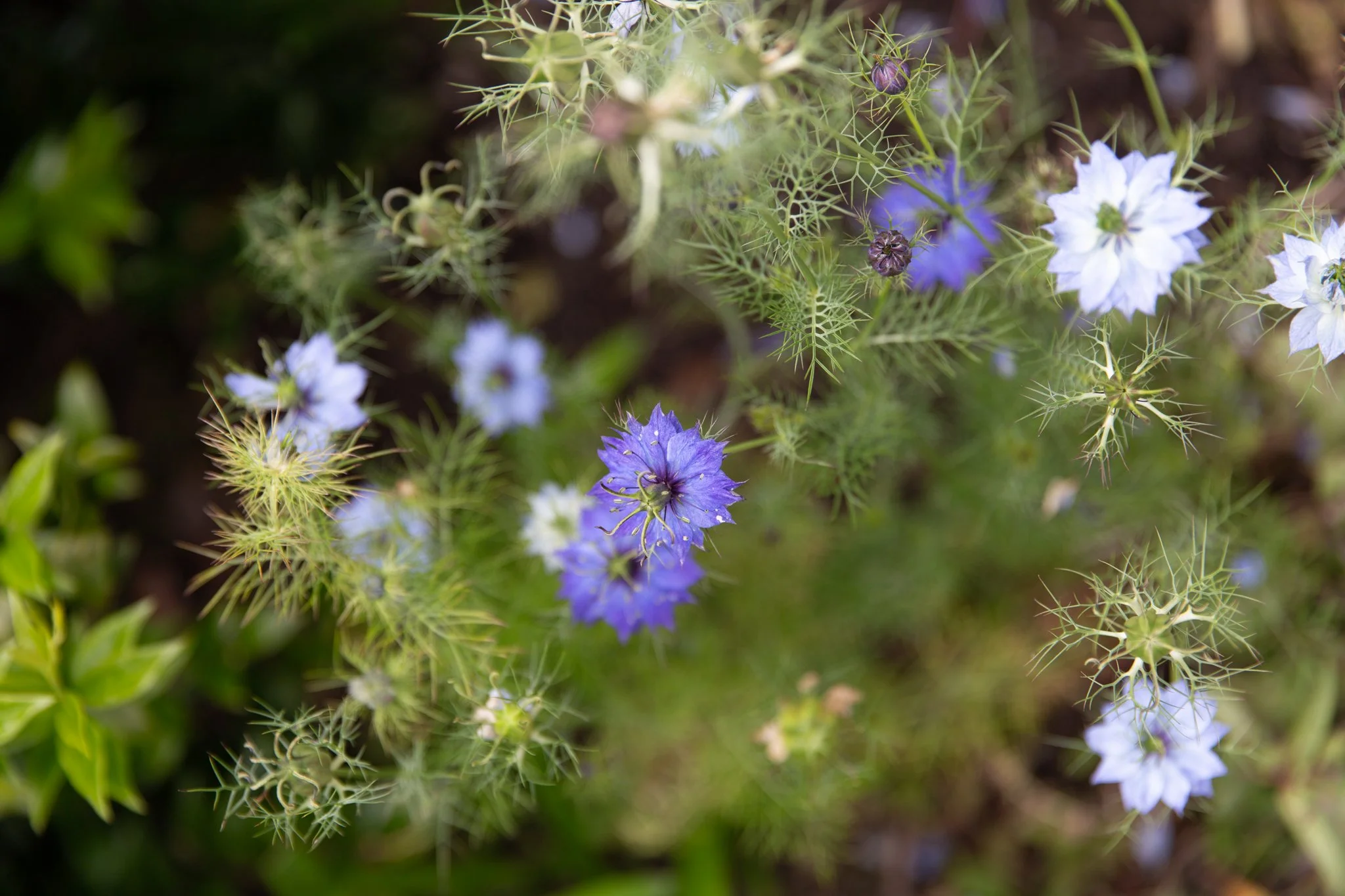
A very reliable seed for germinating, if you’ve planted Nigella in the garden once, it will keep reappearing year after year from self-seeding. Sowing in Autumn time again mimics the natural conditions of a self-sown plant. Scatter seeds in the position where they’re to grow, in a sunny spot.
As well as making a cheerful addition to the garden with their blue flowers and bizarre-looking foliage, nigella seed pods are perfect for a bouquet of dried flowers. Take a look at our favourites seeds for dried flowers for more.
4. California poppy
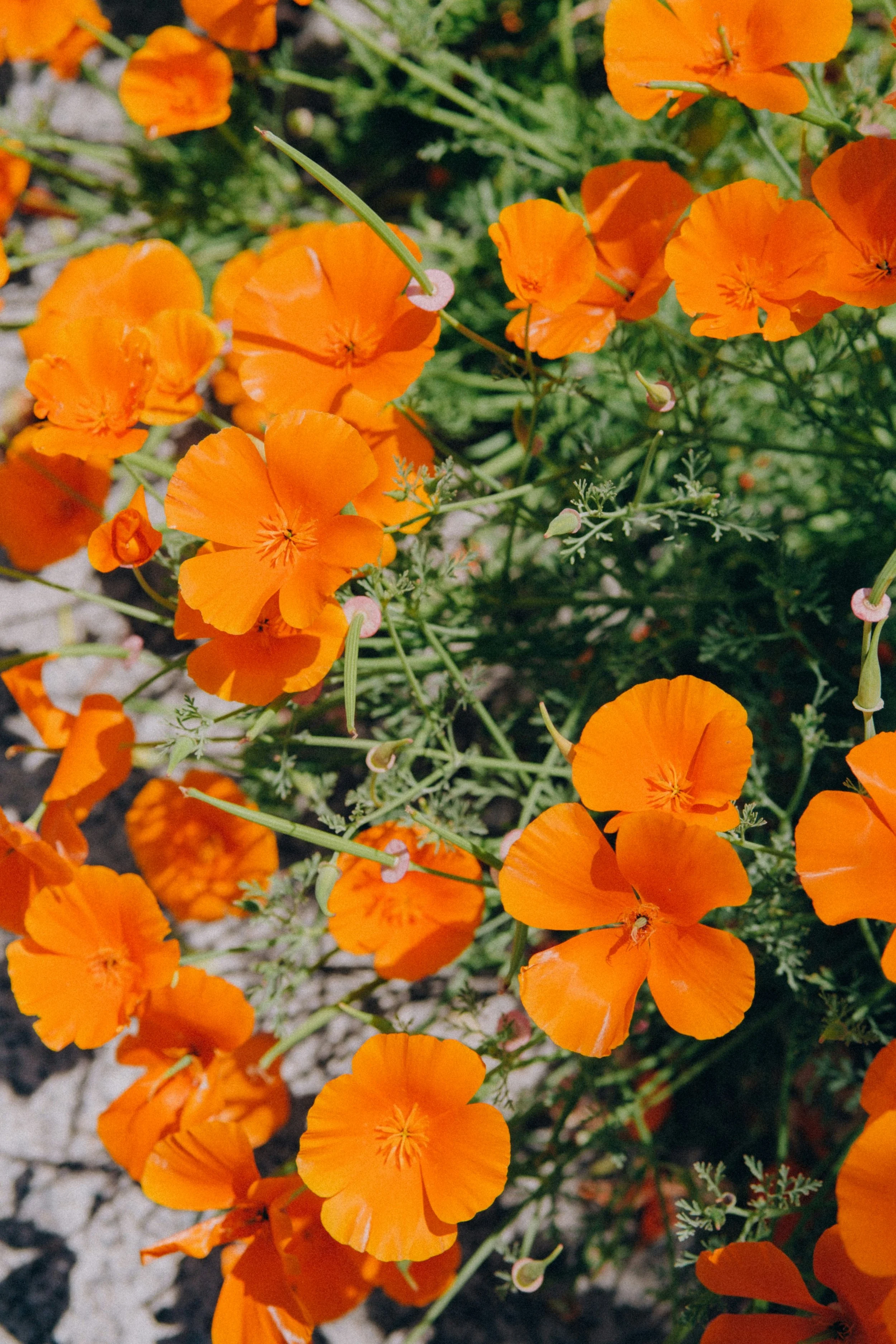
Eschscholzia californica, the California poppy, is a mat-forming annual with attractive silvery foliage and delicate flowers in creamy, yellow and orange shades. We’re especially fond of the Thai silk series, that have beautiful peach tones.
They need a sunny spot, and do best in low-fertility soil. They have a high germination rate, so make sure to scatter seeds well-spread out (around 15cm between seeds), on a weed free area, and water well. They don’t like root disturbance, so if plants are growing too close together once germinated, it’s better to thin them out than try to move any.
5. Cerinthe major ‘Purpurascens’
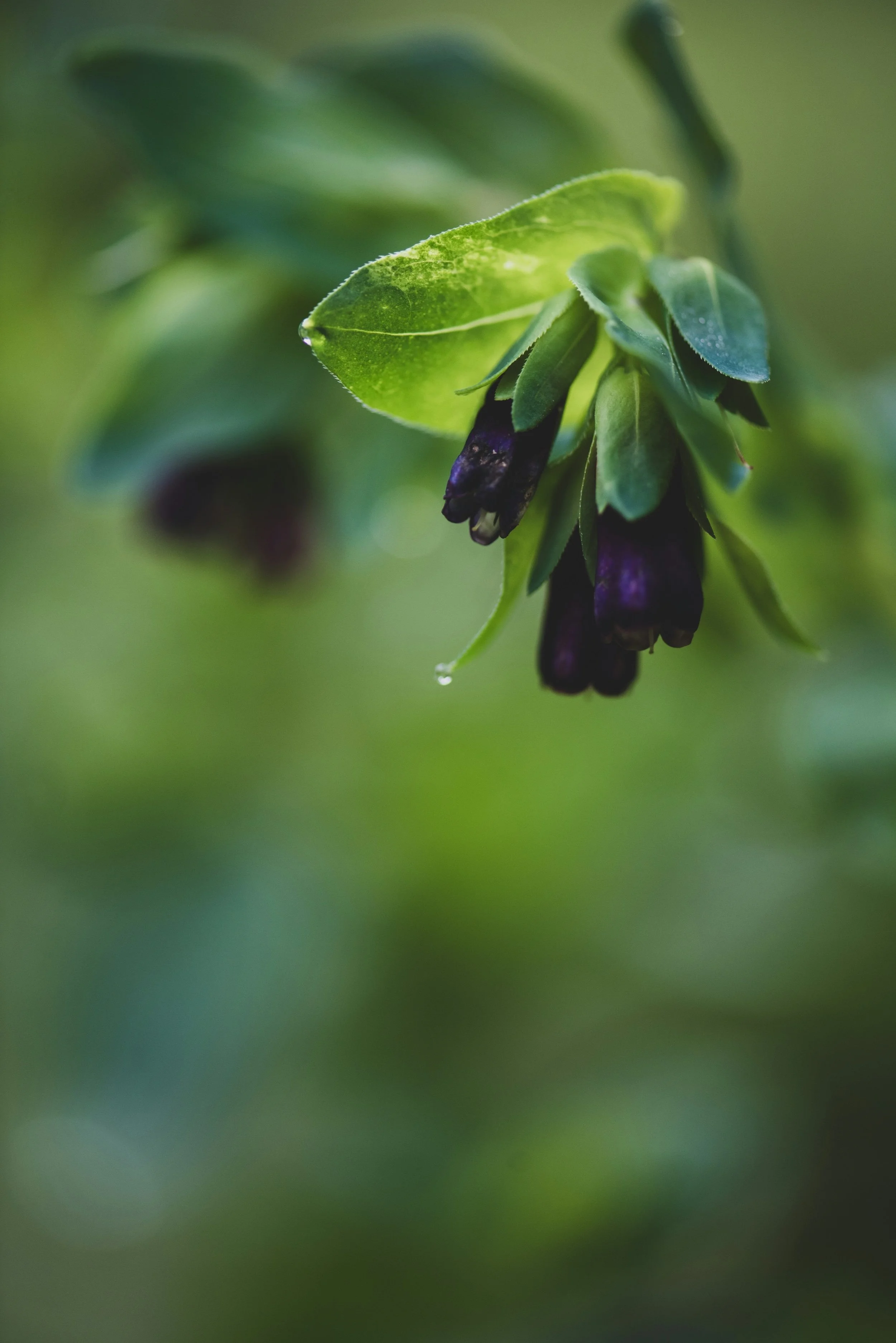
Also known as honeywort, Cerinthe is a cheerful and very easy-going plant, with blue-green leaves and purple flowers that appear early in the year. Like others on this list, it will self-seed once it’s happy in a spot, so you’ll only ever need to sow once. Its broad leaves are often one of the first to appear in early Spring, and the plant grows quickly to form a mat, with the more delicate drooping purple flowers held above the foliage.
Cerinthe need a well-drained, sunny spot. Scatter the seeds and leave to germinate.
For more tips and information on seed sowing, see our guide How to sow seeds.