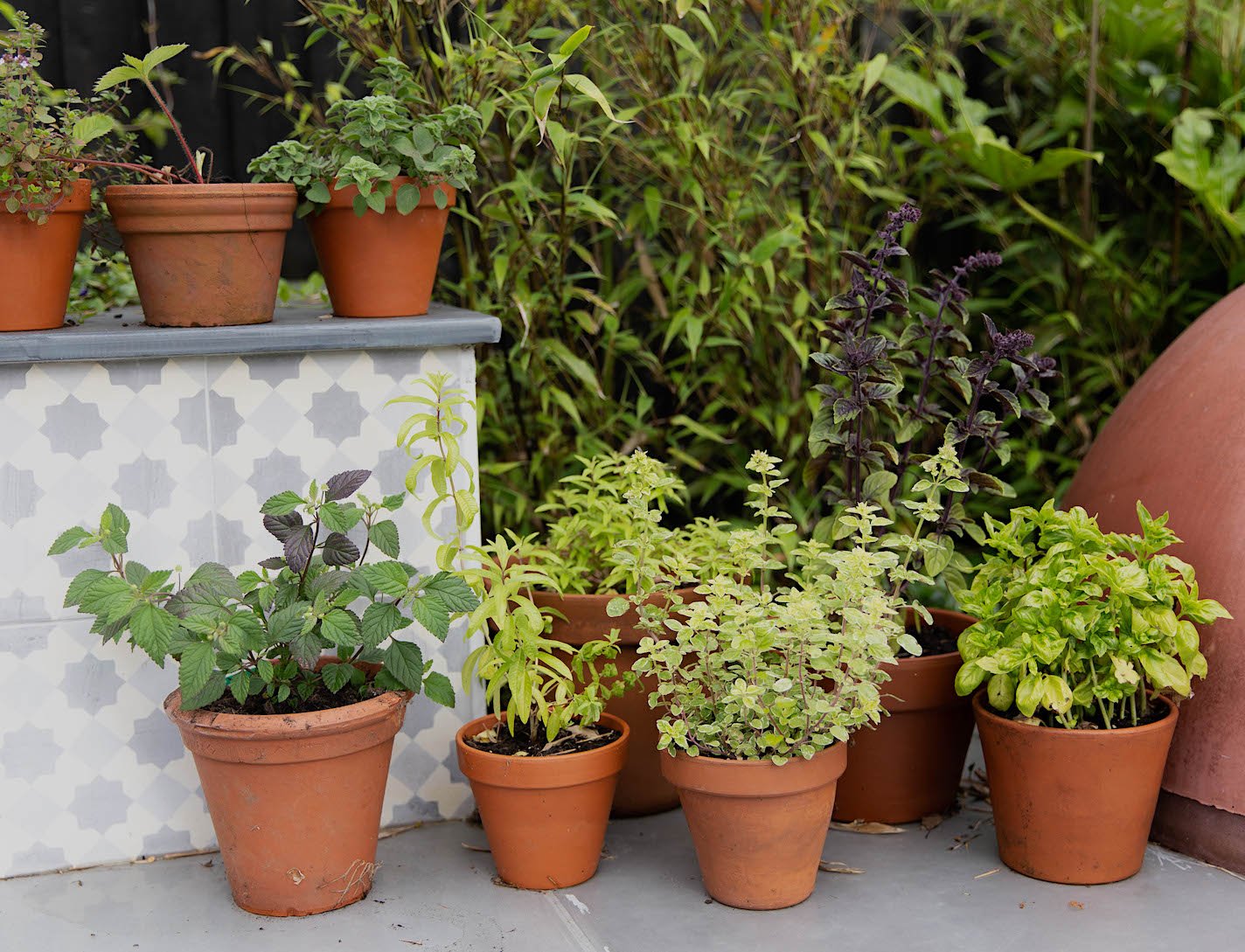
Plant guide: Basil
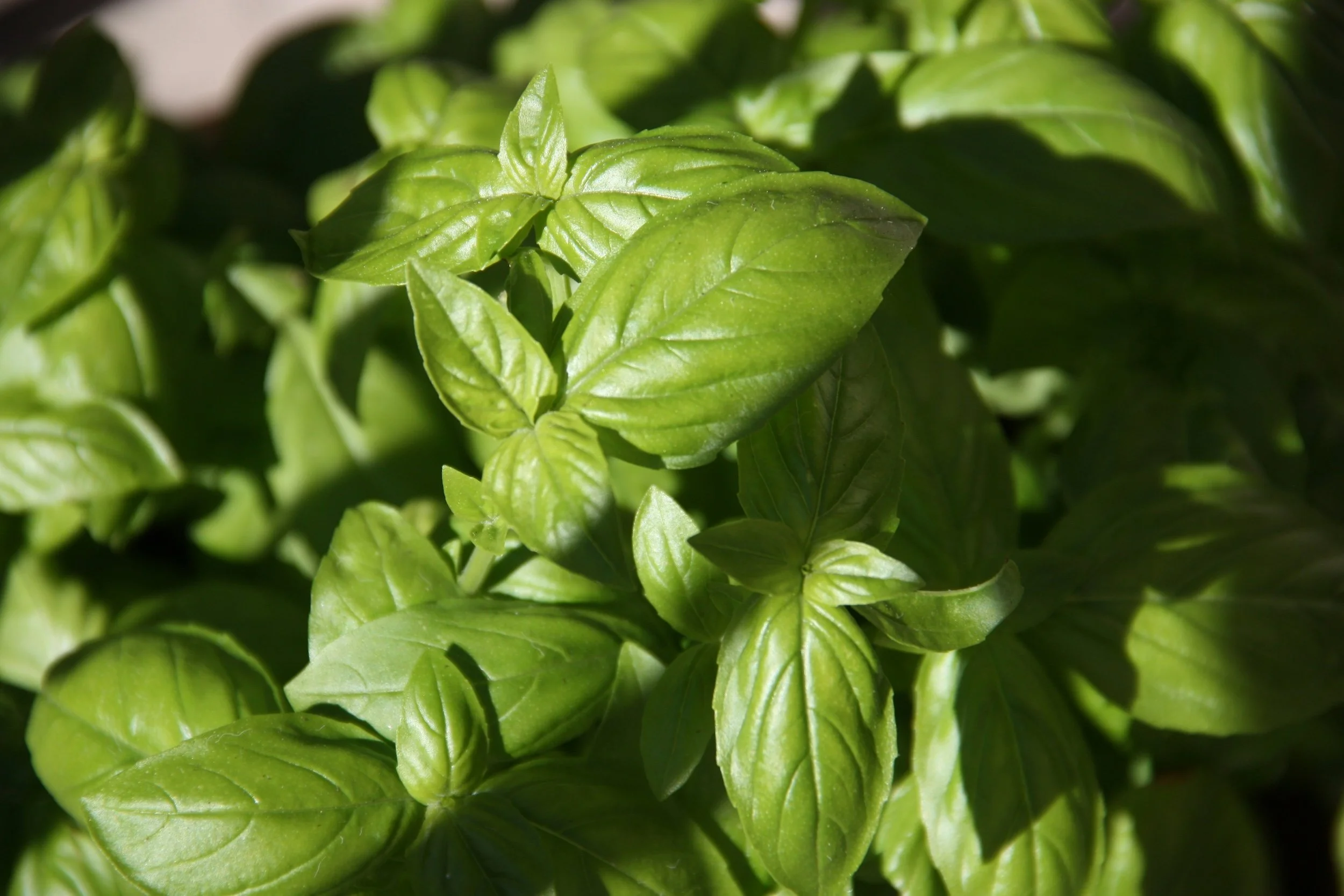
Botanical name:
Ocimum basilicum
Basil is such a great, fresh, zingy herb, that really does taste best when it’s just been picked from a pot on the windowsill or outside the front door… It’s one of our absolute favourites and we grow a lot of it, to use in cooking but also because it’s a favourite garnish for the best summer G&T: made with Silent Pool gin and a sprig of basil on the top. (My favourite in Winter is Gin Mare, with a garnish of rosemary, in case you were wondering!)
We grow it in our conservatory, but it will also be happy on a sunny windowsill – one in the kitchen is perfect – or a warm and sunny spot outside.
Basil is easily grown from seed, but you can also pick up small plants from most garden centres and nurseries in the Summer months, and even the supermarkets.
Plant type:
Annual herb
Growing conditions:
Basil is a Mediterranean plant and it needs plenty of sun and well-draining soil. Pots are perfect, as they tend to drain faster than the ground, but if you are growing basil in the ground, make sure it doesn’t become water logged. Space each plant about 30-40cm apart.
How to grow:
Sow seeds indoors from late February. To ensure a long crop of basil, successional sowing – sowing fresh seeds approximately every 3-4 weeks – will mean that there is always a plant on the go.
Seeds need temperatures of around 18 degrees to germinate, so place in a sunny windowsill if you’re sowing in colder months. (See our guide to sowing seeds for more info.) Once seedlings are big enough to handle, they can be potted on to their own individual pots.
Shop-bought basil often has plenty of plants within one single pot. You can gently separate these, taking care when teasing the roots apart, and sow into individual pots to have more, healthier plants.
In the warm Summer months, you can grow basil in the garden. If you’re moving plants outside, harden off first, and plant in a sunny spot about 30-40cm apart.
Care:
As long as they’re in a bright and sunny spot, basil plants are relatively low maintenance, but will need regular watering, especially in any dry spells.
Plants grown in pots either inside or outside, will need even more frequent watering.
Grow with:
Basil is great as a companion plant for tomatoes. Both enjoy the same growing conditions, and the aromatic basil leaves help to protect the tomatoes against pests such as aphids, as they disguise the tomato smell. It’s even said that tomatoes grown alongside basil taste even better, as the plants share nutrients under the soil surface.
Picking:
Once it’s big enough, you can pick the leaves by removing the top few from each stem, which will help to create a bushy, healthy plant.
Pick all summer long. Even if you don’t need to use basil, it’s good to regularly remove the tops of the stems, to keep the plant growing in a bushy form and to prevent it from bolting and setting seed.
Once Autumn arrives and temperatures fall, basil will naturally die back – it’s an annual plant, so you’ll need to grow more next year.
Uses:
Basil is a herb that just works perfectly with Italian food. We love to use it in Caprese salad: tomatoes, mozzarella and torn basil leaves, that remind us of holidays in Italy. Use it in salads or on the top of pizzas and, of course, as a garnish for that delicious G&T! You can also make your own fresh pesto, by blitzing basil with pine nuts, parmesan, garlic and olive oil.
Favourite varieties:
We grow the classic sweet basil primarily for eating.
African blue basil is great for cut flowers, and the bees love it too, so it’s perfect for encouraging wildlife into the garden.
Basil ‘Queen of Sheba’ has deep ebony stems, which make it look especially attractive in a salad.